Biometric Feedback Integration with Blackjack Gameplay in Modern Gaming Facilities
Written by Henrik Müller · Sep 21, 2026
Biometric Feedback Integration with Blackjack Gameplay in Modern Gaming Facilities
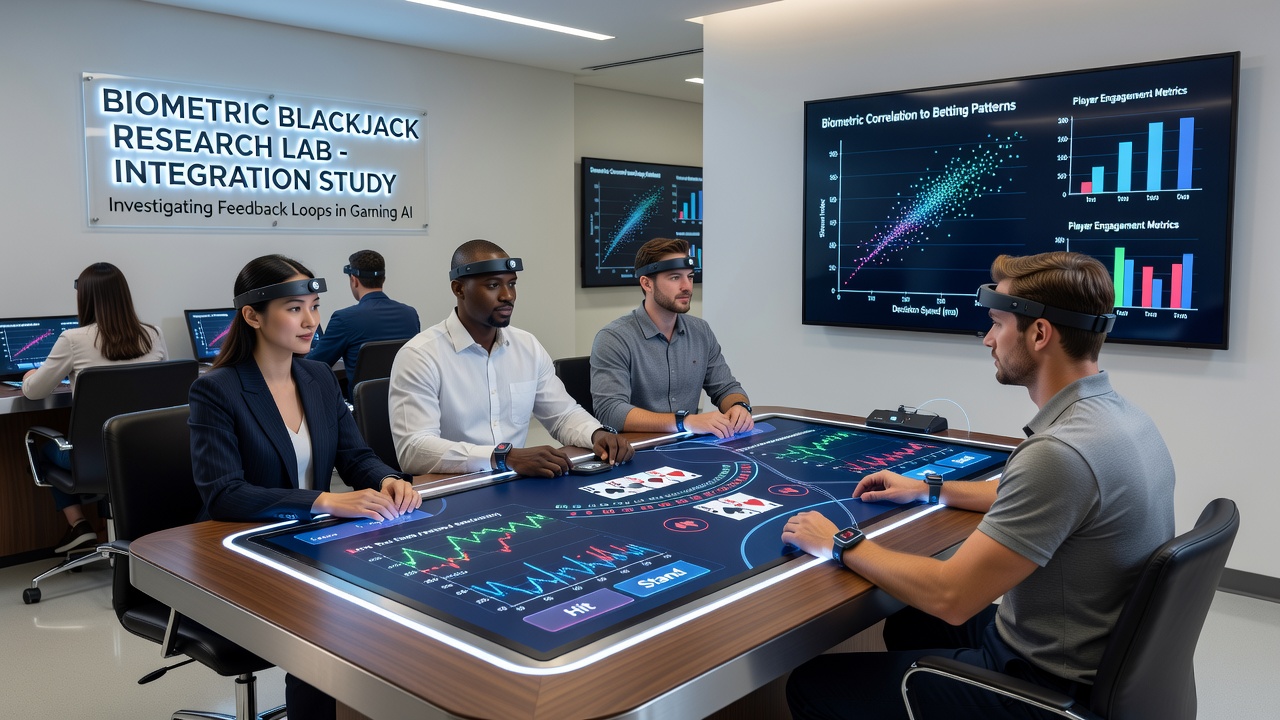
Facilities across multiple jurisdictions have begun incorporating biometric sensors into blackjack environments to monitor physiological responses during play, and this integration combines heart rate variability tracking with skin conductance measurements alongside traditional table systems. Data collection occurs through wearable devices or embedded sensors in chairs and railings, while operators analyze patterns that emerge from player stress indicators and engagement levels throughout extended sessions. Research from academic institutions shows these tools capture real-time metrics that correlate with decision-making speed and bet sizing adjustments, yet facilities maintain strict separation between biometric outputs and game outcomes to comply with existing rules.
Core Technologies Driving the Integration
Modern setups rely on non-invasive devices that measure pulse through optical sensors and track electrodermal activity via electrodes placed at contact points, and these systems feed information into centralized platforms that process signals without interrupting the flow of cards or dealer interactions. Observers note that integration often occurs through partnerships between casino technology providers and medical device manufacturers, while software algorithms filter noise from ambient casino conditions such as lighting fluctuations and crowd movement. Studies conducted at university research centers indicate accuracy rates above 85 percent for detecting elevated arousal states during high-stakes hands, although calibration remains necessary for individual player baselines before each session begins.
Operational Deployment at Blackjack Tables
Dealers continue standard procedures while hidden or visible sensors gather continuous streams of data, and some properties display anonymized aggregate feedback on secondary screens for supervisory staff to review during shifts. Integration extends to loyalty program interfaces where players opt in voluntarily, granting access to personalized reports after play concludes, yet participation rates vary by region with higher uptake documented in markets that emphasize responsible gaming protocols. Facilities report that biometric overlays allow pit bosses to identify fatigue patterns earlier than visual observation alone permits, and this capability supports decisions about table rotation or break recommendations without altering core blackjack rules.
Regulatory Frameworks and Compliance Measures
Gaming authorities in Nevada require operators to submit detailed plans for data storage and anonymization before approving any biometric pilot, while similar oversight exists through the Macau Gaming Inspection and Coordination Bureau which mandates annual audits of all sensor-derived records. In September 2026 several properties in the United States and Asia plan expanded testing phases that incorporate multi-site data sharing agreements under controlled conditions, and these expansions follow earlier limited trials that demonstrated feasibility without compromising game integrity. Compliance teams emphasize encryption standards that prevent linkage between biometric profiles and individual identities beyond the session window, and external audits confirm adherence through random sampling of stored datasets.
Impact on Player Behavior and Facility Metrics
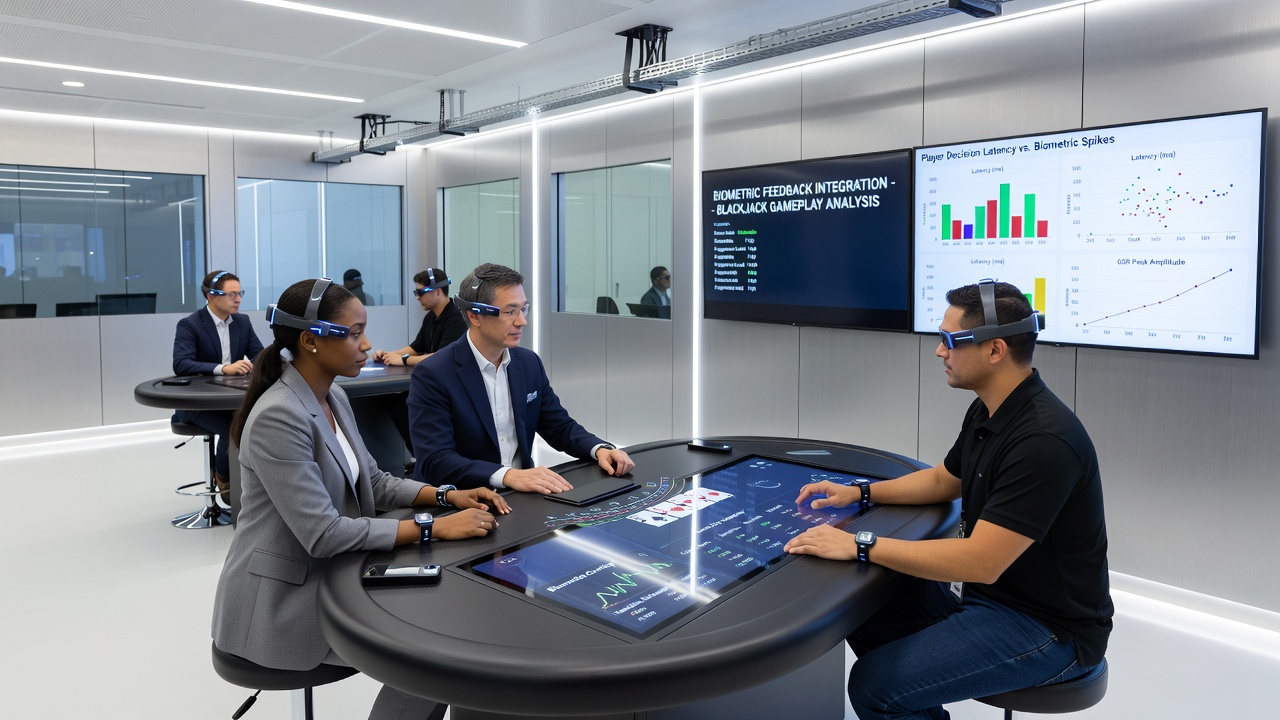
Analysis of aggregated datasets reveals correlations between biometric spikes and increased frequency of insurance bets or doubling decisions, yet researchers stress that causation remains unproven and multiple external factors influence these patterns simultaneously. Facilities that implemented feedback loops report measurable reductions in average session duration among participants who receive optional alerts when arousal thresholds are crossed, while overall table throughput stays consistent with pre-integration baselines. Industry reports from trade associations highlight that voluntary programs attract a demographic segment interested in performance tracking similar to fitness applications, and cross-referencing with loyalty data shows repeat visits increase slightly among users who access post-session summaries.
Future Developments and Research Directions
Engineers continue refining algorithms that distinguish between excitement-driven responses and frustration indicators through machine learning models trained on thousands of recorded sessions, and pilot programs scheduled for late 2026 will test integration with virtual reality overlays in select high-limit rooms. Academic collaborations focus on ethical guidelines for long-term data retention, whereas operators prioritize real-time applications that enhance security by flagging potential collusion through synchronized biometric anomalies across multiple players. Evidence collected thus far suggests biometric systems complement rather than replace existing surveillance and behavioral observation methods already standard in regulated environments.
Conclusion
Integration of biometric feedback into blackjack operations represents an ongoing evolution in how facilities collect and interpret physiological data during gameplay, and continued monitoring by regulatory bodies ensures these tools align with established standards for fairness and player protection. As testing expands into 2026, documented outcomes from diverse jurisdictions will provide clearer pictures of both benefits and limitations inherent in this technology.