Cross-Referencing RFID Chip Data with Shuffle Tracking Techniques Across High-Volume Casino Floors
Written by Henrik Schmitz · Oct 19, 2026

Cross-Referencing RFID Chip Data with Shuffle Tracking Techniques Across High-Volume Casino Floors
High-volume casino floors rely on integrated surveillance systems that combine RFID chip tracking with detailed analysis of card movement patterns, and operators deploy these tools to maintain game integrity while processing thousands of hands each hour. RFID technology embeds passive tags in gaming chips that transmit unique identifiers when scanned by table readers, which allows systems to record bet amounts, chip movements, and player positions in real time. Shuffle tracking, by contrast, involves systematic observation of card sequences as decks undergo repeated shuffles, and personnel trained in this method record positions where high-value or low-value cards cluster after specific shuffle procedures.
RFID Implementation Standards Across Major Gaming Jurisdictions
Nevada Gaming Control Board regulations require RFID readers at tables with minimum bet thresholds above certain limits, and these readers feed data into central databases that flag discrepancies between reported and actual chip values. Canadian operators under the Alcohol and Gaming Commission of Ontario use similar RFID networks to cross-check daily drop figures against live transaction logs, which helps identify anomalies that manual counts might miss. Data streams from these systems include timestamps for each bet placement, and software algorithms match those timestamps against video feeds to verify player actions at each seat.
Mechanics of Shuffle Tracking in Live Play Environments
Shuffle tracking begins with players noting the order of cards as they exit the shoe, then following those segments through the shuffle process itself, and experienced observers divide the deck into zones that remain relatively intact after riffle or push-through shuffles. In high-volume settings where multiple tables operate simultaneously, teams assign different individuals to track specific shoes while another member records RFID data points such as bet sizing patterns. This coordination allows cross-referencing of physical card position data against electronic records of wager timing and amount, because RFID logs show when larger bets coincide with predicted high-card zones emerging from the shoe.
Integration Processes on Busy Casino Floors
Surveillance teams combine RFID outputs with shuffle tracking logs by aligning time-stamped chip movement records against manual notations of card segments, and this cross-reference reveals whether bet patterns align with expected card distributions. Software platforms used in Las Vegas properties overlay RFID data onto heat maps that highlight tables where shuffle irregularities appear most frequently, while floor supervisors receive alerts when RFID readings indicate sudden bet escalations that match tracked high-card locations. In October 2026 several properties plan to upgrade reader sensitivity levels to capture chip data at faster intervals, which will increase the granularity available for matching against shuffle sequence observations.
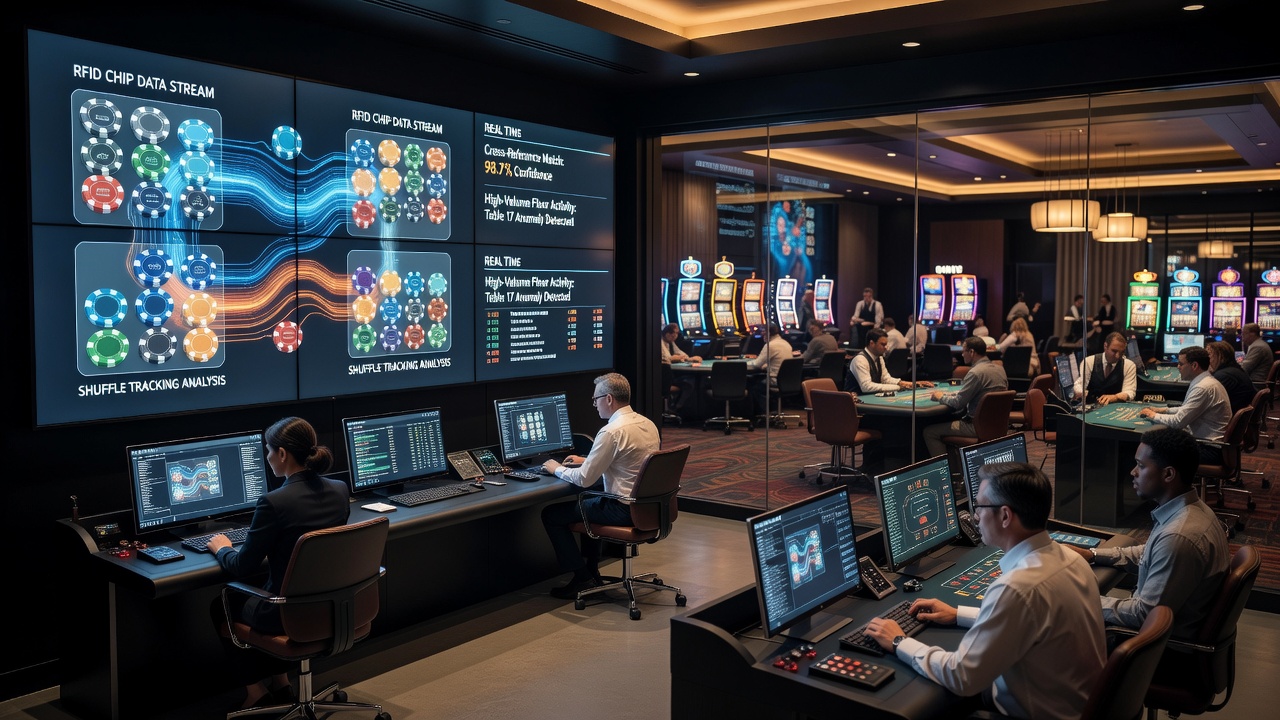
One documented case from a multi-table pit showed how RFID logs captured three consecutive large bets placed immediately after a tracked high-card segment reached the top of the shoe, and investigators later confirmed the timing matched player notes on shuffle outcomes. Another instance involved a European property that linked RFID variance reports to video review of a dealer’s shuffle technique, revealing consistent clustering that aligned with observed bet spikes.
Data Analysis Techniques and Pattern Recognition
Analysts process RFID datasets through statistical models that calculate expected versus actual bet distributions relative to shuffle tracking predictions, and these models flag deviations exceeding preset thresholds. Machine learning applications sort through millions of hand records to identify recurring correlations between tracked card positions and RFID-registered wager changes, while human reviewers examine flagged sessions for contextual details such as dealer rotation schedules or shoe penetration depths. Research reports from the University of Nevada, Reno gaming laboratory indicate that cross-referenced datasets improve detection rates of coordinated play by approximately 18 percent compared with isolated monitoring methods.
Operational Adjustments in High-Traffic Periods
During peak hours casinos increase RFID scan frequency and assign additional observers to shuffle tracking duties, because higher hand volumes create more opportunities for pattern emergence across multiple shoes. Staff rotate positions frequently to prevent familiarization that could reduce tracking accuracy, and central command centers consolidate data feeds from RFID readers and manual logs into unified dashboards. Properties in Australia operating under the New South Wales Independent Liquor and Gaming Authority have adopted centralized data hubs that aggregate RFID information from several venues, allowing broader pattern analysis across regional floors.
Conclusion
Casino operators continue refining the cross-referencing of RFID chip data with shuffle tracking observations to address evolving play patterns on high-volume floors, and the combination of electronic monitoring with human observation produces layered verification that single-method approaches cannot achieve. Ongoing equipment upgrades scheduled for late 2026 will further enhance data resolution, while regulatory frameworks in multiple jurisdictions maintain requirements for documented audit trails of these integrated surveillance practices.